
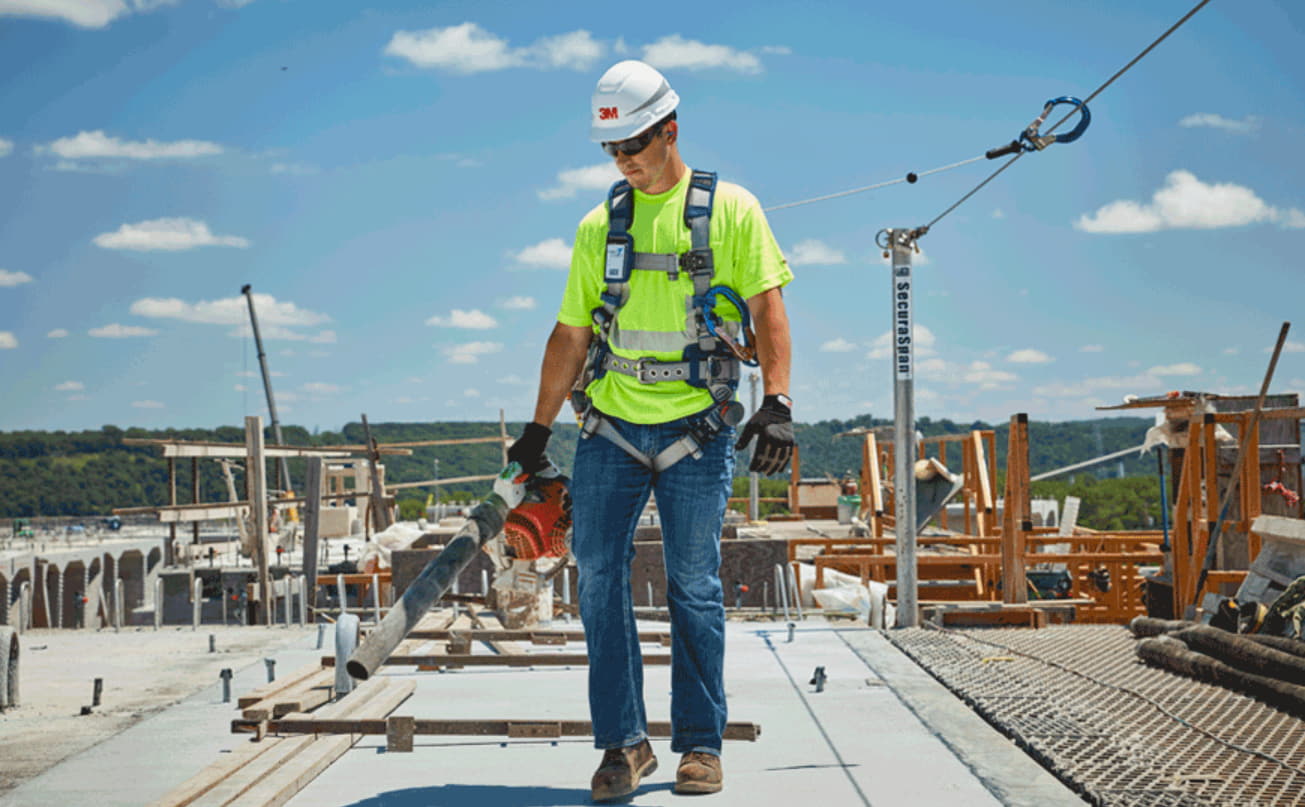
Worker safety is paramount in every industry, particularly when it comes to tasks performed at heights. Fall restraint plays a critical role in safeguarding workers and mitigating the risks associated with potential falls. By understanding the importance of these systems, employers can create a safe working environment and protect their valuable workforce.
Prevention of Falls
Working at heights comes with inherent risks, and the consequences of a fall can be severe. These systems, including harnesses and lifelines, are designed to keep workers away from fall hazards, reducing the likelihood of accidents and injuries. By utilizing these systems, employers prioritize the safety and well-being of their employees.
Compliance with Regulations
They help employers comply with safety regulations and standards set by organizations such as Canadian Centre for Occupational Health and Safety (CCOHS). These regulations outline specific guidelines for fall protection, emphasizing the importance of implementing this system. By adhering to these regulations, employers not only protect their workers but also avoid legal consequences and penalties associated with non-compliance.
Worker Confidence and Productivity
Installing this safety feature plays a significant role in instilling confidence and reducing psychological stress. When workers feel secure and protected, they can focus on their tasks more effectively, leading to improved productivity and quality of work. By investing in this system, employers invest in their workers’ well-being and job satisfaction.
Customizability for Different Work Environments
Fall restraints can be customized to suit different industries and specific job sites. Conducting a comprehensive risk assessment is crucial to determine the most appropriate restraint system for a specific work environment. By tailoring these systems to the specific needs and hazards of each site, employers can ensure optimal worker safety and protection.
Training and Education
Implementing this safety feature requires proper training and education for workers. Employers must provide comprehensive training sessions to ensure workers are aware of the proper usage, inspection, and maintenance of restraint equipment. Ongoing training and resources are essential to promote a culture of safety and ensure that workers stay updated with the latest safety practices.
Conclusion
Fall restraint is indispensable when it comes to ensuring worker safety in tasks performed at heights. Investing in these systems is an investment in the well-being and protection of workers. Implementing these systems not only mitigates risks but also fosters a culture of safety where workers can perform their duties with confidence and peace of mind.