
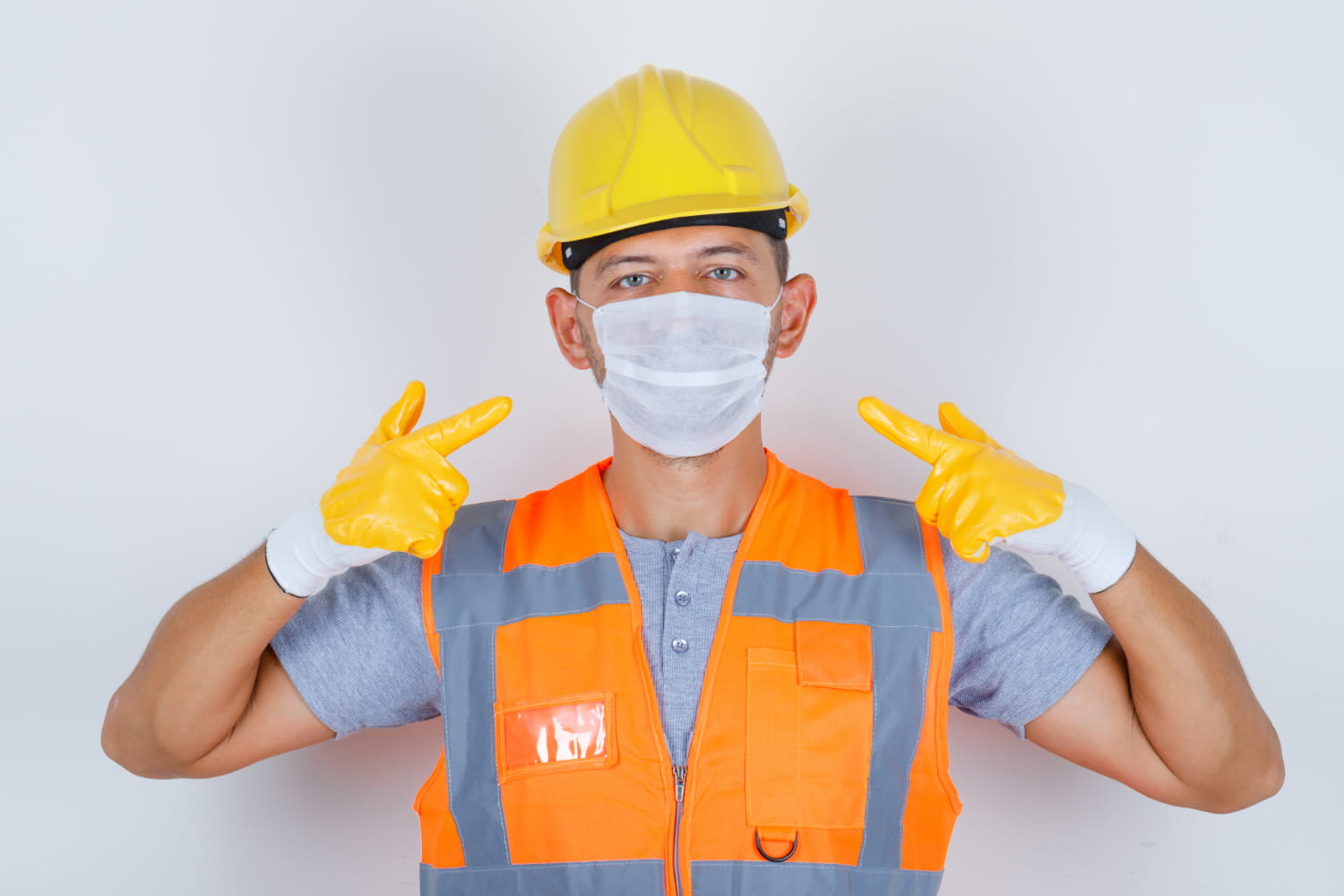
Workplace safety isn’t just about policies and procedures; it’s about having the right gear when it matters most. Personal protective equipment (PPE) serves as the critical barrier between workers and potential hazards.
From construction sites to laboratories, investing in quality personal protective equipment protects your team and reduces liability. Here’s what you need to know about selecting and maintaining PPE that actually works.
Understanding the Different Types of PPE
PPE comes in various forms, each designed to protect against specific workplace hazards:
- Head Protection: Hard hats and bump caps shield against falling objects, overhead hazards, and minor bumps in confined spaces.
- Eye and Face Protection: Safety glasses, goggles, and face shields block flying debris, chemical splashes, and harmful radiation from welding or lasers.
- Hearing Protection: Earplugs and earmuffs reduce noise exposure in environments where sound levels exceed safe limits.
- Respiratory Protection: Dust masks, respirators, and supplied-air systems filter out harmful particles, gases, and vapors.
- Hand Protection: Gloves vary widely from cut-resistant and chemical-resistant to heat-resistant and electrical insulating varieties.
- Foot Protection: Safety boots with steel toes, puncture-resistant soles, and slip-resistant treads prevent common foot injuries.
- Understanding what’s available helps you match the right equipment to your workplace risks.
Conducting a Proper Risk Assessment
Before purchasing PPE, identify the actual hazards your workers face. Walk through your facility and ask:
- What could fall from above?
- Are chemicals being handled or stored?
- What’s the noise level in different areas?
- Are there sharp objects or hot surfaces?
- Is there a risk of electrical shock?
Document these hazards and prioritize them by severity and frequency. This assessment becomes your roadmap for PPE selection. OSHA requires employers to provide appropriate PPE at no cost to workers, so getting this right is both a legal and ethical obligation.
Selecting Quality Over Price
Cheap PPE might save money upfront, but it often fails when needed most. Look for:
- Certifications: ANSI, NIOSH, or CE markings indicate tested and approved equipment.
- Durability: Quality materials last longer and provide consistent protection.
- Comfort: Workers won’t wear uncomfortable gear consistently, no matter how protective it is.
- Proper fit: Ill-fitting PPE creates gaps in protection and reduces effectiveness.
Test different brands and models with your team. Their feedback on comfort and functionality is invaluable.
Maintenance and Replacement Protocols
PPE doesn’t last forever. Establish clear guidelines for:
- Regular inspections: Check for cracks, tears, or wear before each use.
- Cleaning schedules: Many PPE items are reusable but require proper cleaning.
- Replacement timelines: Set expiration dates for items like respirator filters or damaged equipment.
- Storage: Keep PPE in clean, dry areas away from direct sunlight and chemicals.
Create a simple checklist that supervisors can use during routine safety walks.
Conclusion
The best PPE in the world is useless if workers don’t wear it. Foster a culture where safety is everyone’s responsibility. Provide ongoing training, lead by example, and never penalize workers for reporting damaged equipment. When your team sees that you’re serious about their protection, compliance becomes second nature.
Investing in proper personal protective equipment isn’t an expense it’s an investment in your most valuable asset: your people.