
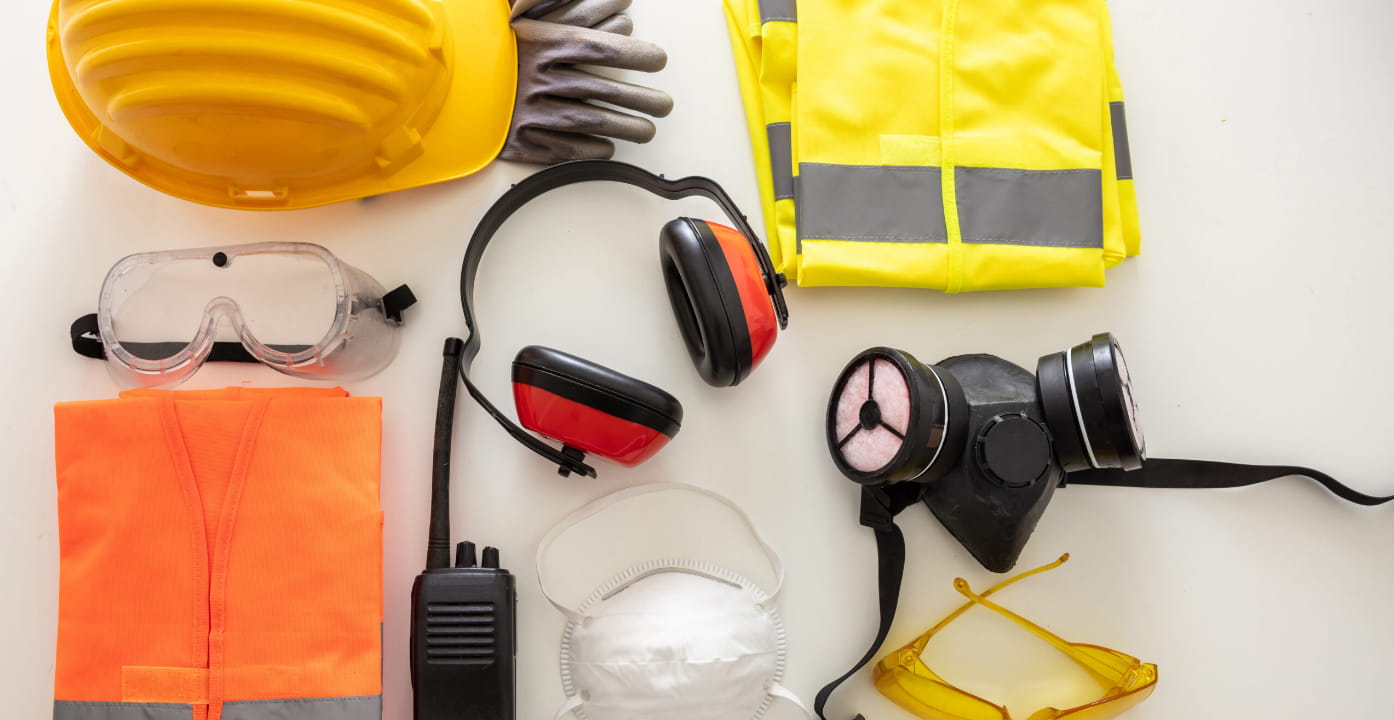
When working in hazardous environments, having the right body protection equipment is crucial for ensuring personal safety. Whether you’re on a construction site, in a laboratory, or dealing with heavy machinery, the risk of injury is always present.
The right protective gear can make all the difference in preventing accidents and ensuring that workers return home safely each day.
The Importance of Body Protection in the Workplace
Body protection is essential across various industries, from construction and manufacturing to healthcare and chemical processing. The Occupational Safety and Health Administration (OSHA) reports that thousands of workers are injured each year due to inadequate protective measures.
Proper body protection can significantly reduce the risk of injuries such as cuts, burns, fractures, and exposure to harmful substances. By investing in high-quality body protection equipment, employers not only comply with safety regulations but also promote a culture of safety and responsibility.
Types of Body Protection Equipment
A wide variety of body protection equipment is available, each designed to protect specific parts of the body and against particular hazards.
Protective Clothing
Protective clothing is the first line of defence against workplace hazards. This category includes items such as coveralls, lab coats, and high-visibility clothing.
Protective clothing is often made from materials like flame-resistant fabrics, which protect against fire and heat, and chemical-resistant materials, which safeguard against harmful substances.
High-visibility clothing, typically made from fluorescent materials with reflective strips, ensures that workers are easily seen, reducing the risk of accidents in busy environments.
Safety Helmets and Hard Hats
Head protection is critical in environments where there is a risk of falling objects or head injuries. Safety helmets and hard hats are designed to absorb the impact of blows and protect the skull.
There are different types of helmets and hard hats, including those with additional features like face shields and ear protection. Choosing the right helmet depends on the specific hazards present in the workplace.
Hand and Arm Protection
Hands and arms are particularly vulnerable to injuries such as cuts, burns, and chemical exposure. Gloves and arm guards are essential pieces of protective equipment.
There are various types of gloves, including cut-resistant gloves made from materials like Kevlar, heat-resistant gloves for handling hot objects, and chemical-resistant gloves for working with hazardous substances. Arm guards provide additional protection for the forearms and are often used in conjunction with gloves.
Foot Protection
Protective footwear is crucial for preventing foot injuries from falling objects, punctures, and slips. Safety shoes and boots come in various styles, including steel-toed boots, which protect against impact, and slip-resistant shoes, which provide better traction on slippery surfaces. Some boots are also designed to be waterproof or insulated, protecting in different environmental conditions.
Eye and Face Protection
Eyes and faces are particularly susceptible to injuries from splashes, flying debris, and hazardous substances. Safety goggles and face shields are essential in protecting these areas.
Safety goggles provide a secure fit around the eyes, preventing particles and liquids from entering, while face shields offer full-face protection and are often used in conjunction with goggles for maximum safety.
Choosing the Right Body Protection Equipment
Selecting the appropriate body protection equipment for your workplace depends on several factors. Here are some tips to help you make the right choice:
- Assess Risks: Conduct a thorough risk assessment to identify potential hazards specific to your work environment.
- Compliance: Ensure that all protective equipment meets local and industry safety standards and regulations.
- Comfort and Fit: Choose equipment that is comfortable to wear for extended periods and fits properly, as ill-fitting gear can be ineffective and uncomfortable.
- Consult Experts: Seek advice from safety professionals to determine the best equipment for your needs.
Training and Proper Usage
Having the right equipment is only effective if employees know how to use it correctly. Training is crucial for ensuring that workers understand how to don, doff, and use protective equipment properly.
Regular training sessions can also keep employees updated on any new safety procedures or equipment. Additionally, it’s essential to conduct regular inspections and maintenance of protective gear to ensure it remains in good working condition.
Conclusion
Ensuring safety in hazardous work environments requires a comprehensive approach, including the use of appropriate body protection equipment. From protective clothing and helmets to gloves, boots, and eye protection, each piece of equipment plays a vital role in safeguarding workers.
By prioritizing body protection and investing in high-quality gear, employers can create a safer workplace, reduce the risk of injuries, and promote a culture of safety. Understanding the importance of and correctly using body protection equipment is crucial for maintaining safety and health in any hazardous work environment.