

As the venue for deeply personal and emotional occasions, funeral ceremony must invite loved ones to gather and mourn, remember, and seek solace. In them, music, with its remarkable ability to provide a soothing balm for grieving hearts, can play a vital role. Let’s delve into the profound impact of music in honouring the departed and aiding in the healing process.
The Healing Power of Music
Music possesses a unique capability to touch the depths of our souls. When confronted with grief, individuals often find it arduous to convey their emotions through words alone. Music serves as a universal language, articulating the pain, love, and memories linked to the departed.
Research consistently underscores the positive impact of music on emotional well-being during mourning, easing feelings of sadness, anxiety, and isolation.
Crafting a Meaningful Musical Tribute
Selecting appropriate music for a funeral ceremony is a deeply personal and meaningful endeavour. The chosen songs should resonate with the departed and their loved ones, reflecting their character, beliefs, and life-defining moments.
Whether it’s the calming strains of classical melodies, the heartfelt lyrics of a sentimental ballad, or the uplifting notes of a cherished hymn, music has the power to create a lasting tribute that touches the heart.
Creating an Emotional Musical Program
Designing a thoughtful musical program necessitates careful thought. It can encompass a mix of live performances, recorded music, or a blend of both. Engaging family and friends in the selection and presentation of music infuses a personalized touch into the ceremony, transforming it into a genuine celebration of the departed’s life.
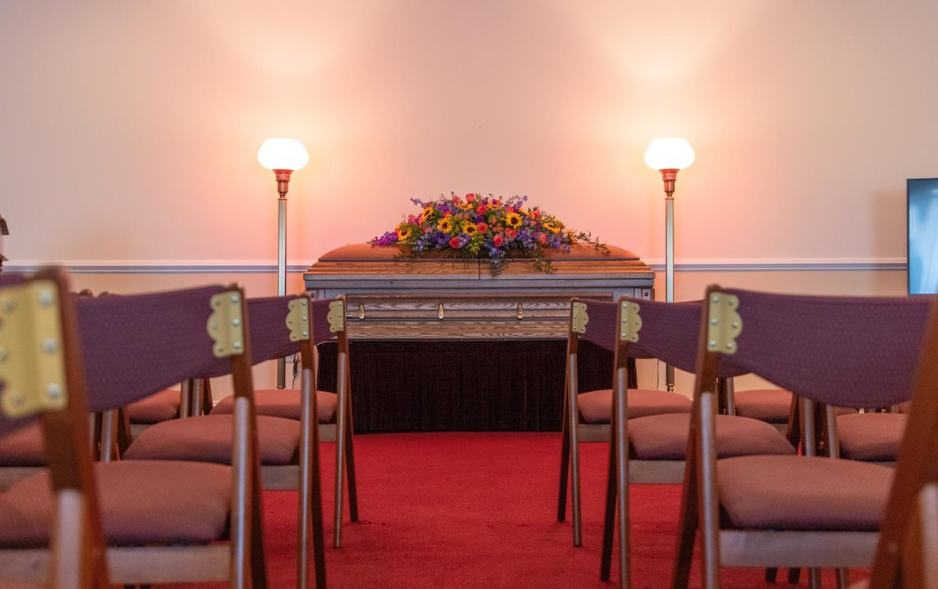
The program should flow seamlessly, embarking on an emotional journey that resonates with mourners, allowing them to find comfort and connection through the melodies.
Finding Comfort and Unity in Music
Music has the remarkable ability to unite people. During funeral services in Auckland, singing or listening to music becomes a communal experience that fosters unity and support among mourners.
It offers a secure space for individuals to express their emotions, whether through tears or shared moments of solace. In these instances, music transcends its role as mere sound; it becomes a bridge that connects hearts and initiates the healing process.
Conclusion
Music unquestionably holds a special place in funeral ceremonies. Its transformative power serves to honour the departed and offer solace to those left behind. It is a universal language that speaks to the depths of our souls, providing a lasting tribute to those we hold dear.