
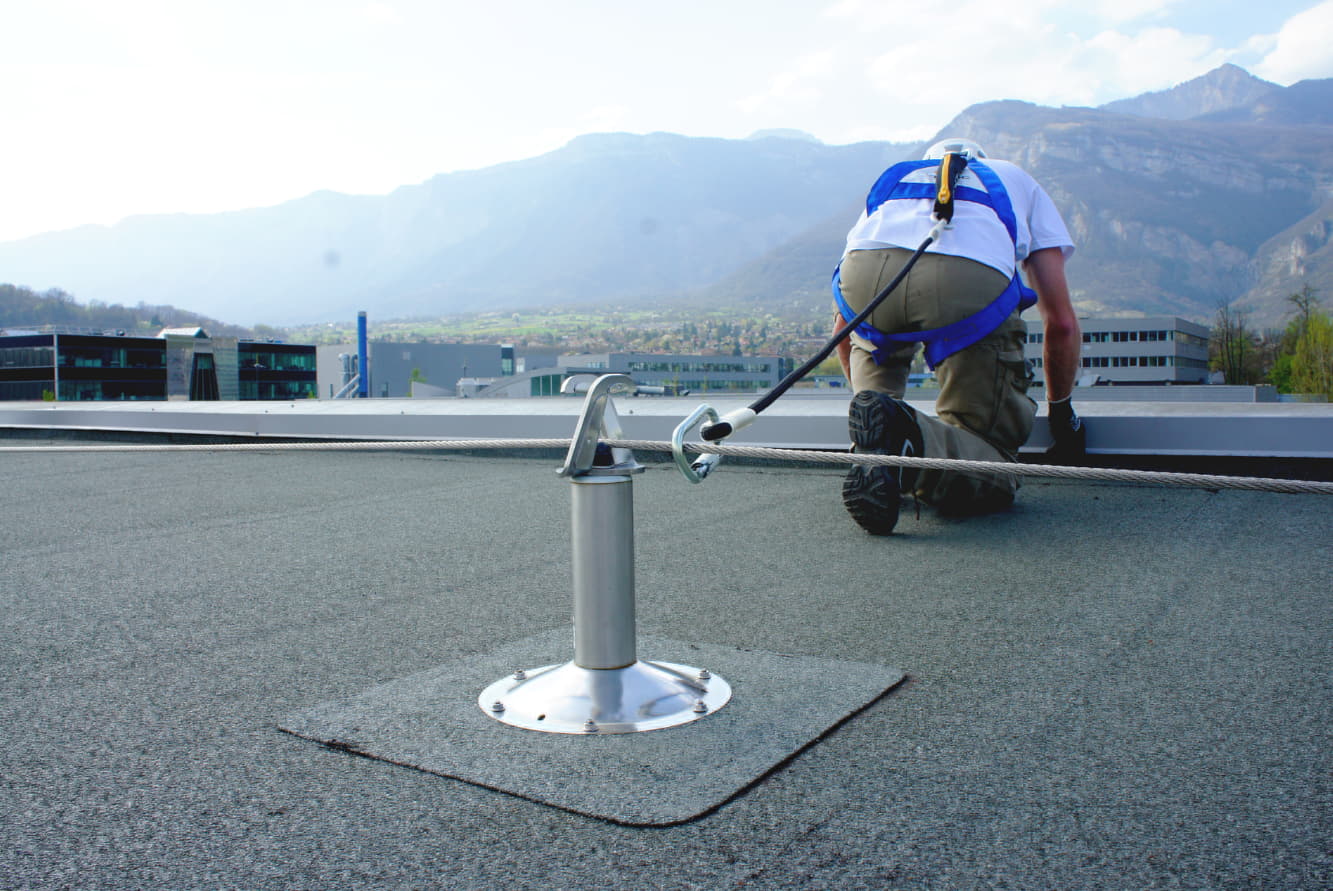
When it comes to working at height, safety is paramount. One of the most effective ways to ensure the safety of workers is by using a horizontal lifeline fall protection system. In this blog post, we will delve into the crucial aspects you need to consider when selecting the right system.
Understanding the Basics
Before we dive into the specifics, let’s understand what a horizontal lifeline system is. These systems are part of the broader category of fall restraint systems where the worker wears a harness and connects a lanyard to an anchor point1.
Evaluate the Risks and Hazards
One of the first steps in choosing the correct fall protection system is understanding the risks and hazards associated with your specific work environment. This involves assessing factors like the height of the workspace, the number of workers, and the type of work being performed. The right system should adequately address these risks and provide robust safety measures.
Consider the Number of Workers
The number of workers who will be using the system simultaneously is an important factor to consider. Some systems are designed for single-user use, while others can accommodate multiple users. Make sure to select a system that can safely support the workers on your team.
Assess Suitability for the Task
When selecting a horizontal lifeline system, its suitability for the task at hand is crucial. This includes considering the nature of the work, the conditions under which the work will be performed, and any specific requirements or constraints of the job.
Prioritize User Comfort and Friendliness
Comfort and user-friendliness are critical factors when choosing a fall protection system. If the system is uncomfortable or difficult to use, workers may be less likely to use it correctly, which can lead to safety hazards. Look for a system that is easy to use and comfortable to wear for extended periods.
Opt for Fall Arrest Design
Finally, a key feature to look for in this system is a fall arrest design. This design aims to catch or arrest the worker in case of a fall, preventing them from hitting the ground or any lower level. A good practice is to prevent the user from getting within two feet of the fall hazard.
Conclusion
Choosing the right horizontal lifeline fall protection system is a matter of understanding your specific needs and working environment. By considering these five factors, you can ensure that you select a system that not only meets your requirements but also provides the highest level of safety for your workers.