
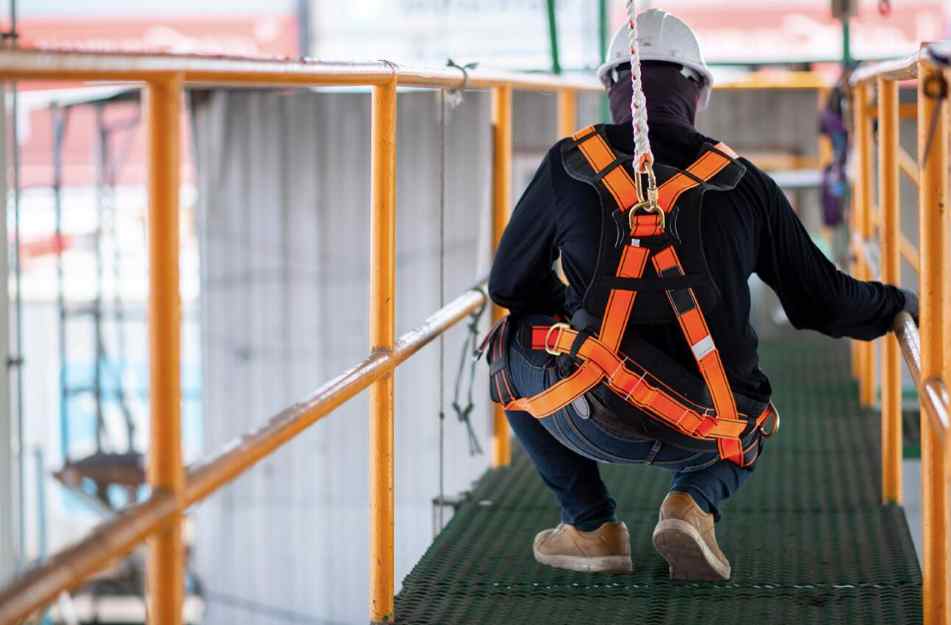
Working at height is one of the leading causes of serious injuries worldwide. A simple slip from a roof, ladder, or scaffold can result in life-changing consequences. That is why using proper fall protection equipment is not optional in high-risk environments.
If your team works above ground level, investing in certified gear is essential. You can explore a complete range of systems and safety solutions of Fall Protection Equipment to understand what suits your site.
What Is Fall Protection Equipment?
Fall protection equipment includes tools and systems designed to prevent falls or reduce injury if a fall happens. It is commonly used in construction, maintenance, warehousing, and industrial sites.
Typical equipment includes:
- Full-body harnesses: distribute force safely during a fall
- Lanyards with shock absorbers: reduce impact force
- Lifelines: provide a secure anchor connection
- Anchorage points: fixed structures that support fall systems
- Guardrails and safety nets: prevent workers from falling
Each item plays a specific role. Using one without the other may not provide full protection.
Why Falls Still Happen at Work
Even when equipment is available, accidents still occur. The issue is often not the gear but how it is used.
Workers sometimes skip wearing harnesses for short tasks. Supervisors may fail to inspect anchor points. In other cases, equipment is worn incorrectly, which reduces its effectiveness. These small mistakes can lead to serious injury.
Regular inspections and clear supervision reduce these risks. Equipment must be checked before each use, especially straps, buckles, and connectors.
Choosing the Right System
Not all height work requires the same setup. The right system depends on the task, height, and environment.
Understand the Work Environment
Before selecting gear, assess where and how employees will work. Roofing jobs require different solutions than confined industrial spaces. Wind exposure, surface stability, and movement range all matter.
A proper risk assessment helps match the correct harness type, lanyard length, and anchorage strength. Using the wrong combination may create new hazards instead of preventing them.
Employers should also ensure equipment meets recognized safety standards. Certified products offer tested reliability under real-world conditions.
Building a Safety-First Culture
Equipment alone does not prevent falls. Training and accountability complete the system.
Workers must know how to wear harnesses properly and connect to secure anchor points. Short, practical training sessions are more effective than long lectures. Demonstrations help employees understand correct usage.
Supervisors should enforce safety rules consistently. When management prioritizes protection, employees take it seriously. A strong safety culture reduces shortcuts and encourages reporting damaged equipment.
Final Thoughts
Falls from height remain one of the most preventable workplace accidents. The right fall protection equipment, combined with training and regular inspection, greatly lowers the risk.
Start by reviewing your current setup. Identify gaps in equipment and training. Then choose reliable, certified systems designed for your work environment. A small investment in proper fall protection today can prevent major loss tomorrow.